

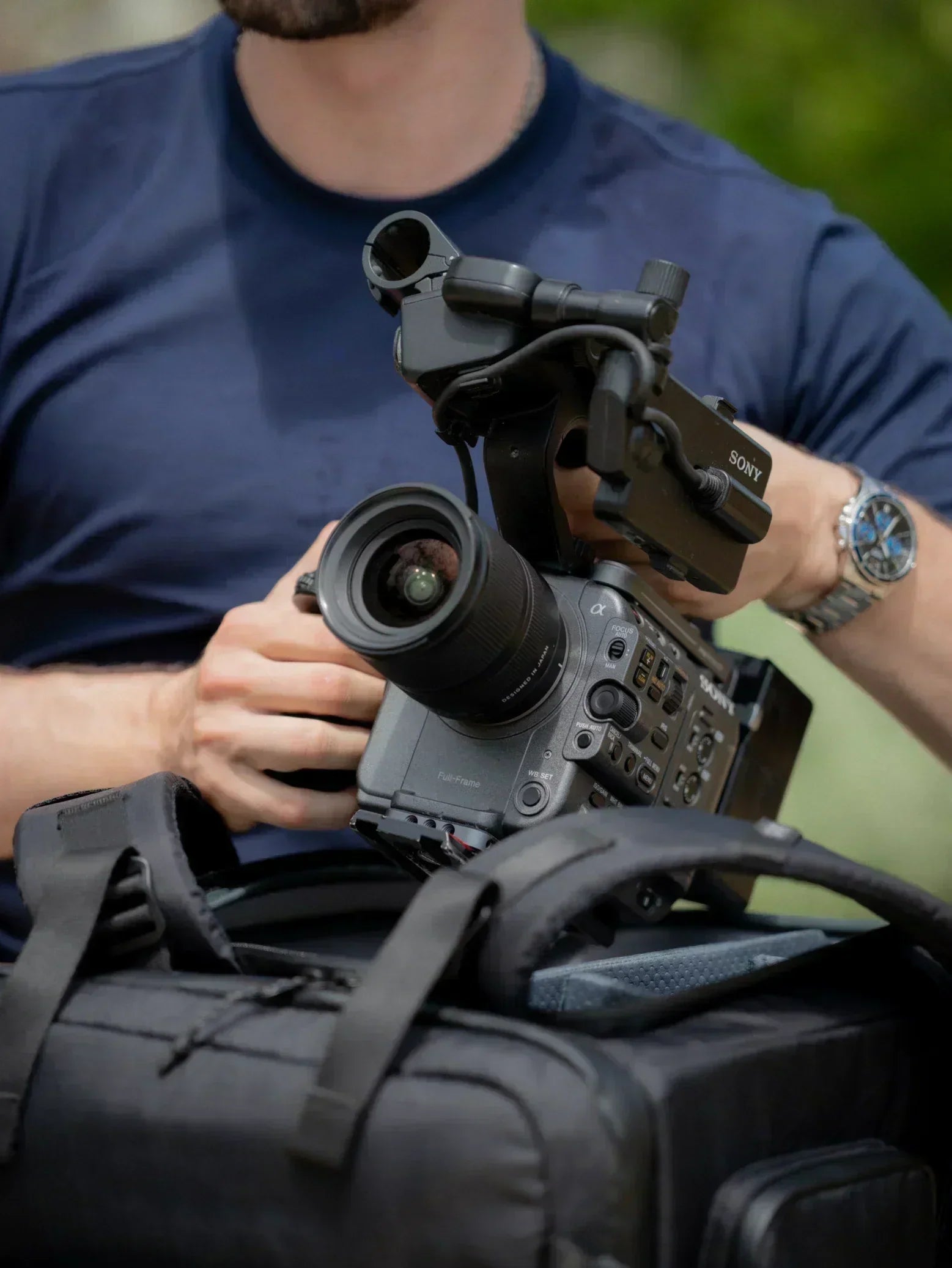
Camera lenses are valuable pieces of equipment that deserve proper care. Whether you’re a beginner or a professional, taking good care of your lenses helps you capture sharp, high-quality photos and ensures your gear lasts for years.
How you store and handle your lenses directly impacts image quality, long-term performance, and durability. Proper storage is one of the most important habits you can build. With the right camera bag, regular cleaning, and mindful storage habits, you can keep your lenses in great shape and ready for every shoot.
Why Proper Camera Lens Storage Is Important
Your camera lens is one of the most important parts of your kit. It is also one of the most likely to get damaged. It needs consistent care to stay clear and functional. Here’s why it matters:
1. Protect your lens from dust: Dust can easily settle on lens surfaces and internal elements, affecting clarity and sharpness over time. If dust sticks to the lens and you try to clean it off by wiping first, you could scratch the glass. The scratches, even if they are small, can make your photos less sharp and lower the contrast.
2. Prevent scratches and surface damage: Scratches on the front lens element are most noticeable when shooting in bright light. Even minor surface damage can cause glare, flaring, or softness in bright lighting conditions. To avoid this, always use a lens cap when not shooting. You can also add a UV filter or clear lens protector to give your lens extra protection from bumps or accidental contact.
3. Control moisture and humidity: Moisture can enter lenses over time, leading to fogging, fungus growth, and permanent coating damage. Store lenses in a cool, dry place with silica gel packs or a dry cabinet to control humidity.
4. Build smart storage habits: Good storage habits keep your lenses clean, clear, and always ready for use. Simple tools like lens caps, dry boxes, and padded camera bags help protect your gear every day. Consistent use of caps, padded storage, and dry environments helps keep lenses clean and ready for use.
Taking care of your camera gear is more than just trying to stop damage. You need to be sure your camera works great every time you feel creative.
Beginner’s Guide to Camera Lens Protection and Organization

Taking up photography means you need to take care of your camera gear. Using a camera lens protector can be very helpful. Using the right accessories simplifies lens care and helps prevent dust buildup, scratches, and impact damage.
Here are the top things you should use to store and organize your camera lens and camera lenses.
Essential Tools and Accessories for Safe Lens Storage
Having the right accessories is the best way to keep your lenses safe. The tools you use help stop dust from getting on them. They also keep your lenses from getting scratched or bumped.
These tools are simple to use. They do not cost much. Use them to keep your lenses in good shape.
You do not need to buy many things to get good protection. A few items can help your gear. Think about putting these in your camera bag.
-
Front and rear lens caps: You should always cover the lens on both sides when you put it away. The rear lens cap keeps the mount and electronic parts safe. The front cap protects the glass.
-
Clear protector or UV filter: Many photographers fit a clear protector or UV filter on the front element to guard against accidental knocks and scratches. This is optional, but it is an easy first line of defense.
-
Microfiber cloth and blower: A soft microfiber cloth cleans smudges. A handheld air blower removes dust from crevices before you wipe. This reduces the risk of scratching the glass.
-
Lens pen or soft brush: For small smudges and hard-to-reach spots, a lens pen or soft brush helps without pushing grit across the glass.
-
Padded lens pouches or sleeves: A pouch gives more padding inside the bag and the lenses stay apart from each other. Choose a pouch that fits snugly to prevent movement and reduce impact damage inside your camera bag.
-
Silica gel packs: If you live in a humid place, silica gel packets help absorb moisture in storage and reduce the chance of fungus.
When you use these items together, your lenses get excellent protection. This works if you keep them at home. It also works if you take them out on a trip.
Step-by-Step Guide to Storing Camera Lenses Safely
Now that you know why the right storage for your camera lens and camera lenses matters, and what tools to use, it is time to put it all together. There is a simple way that works step-by-step to keep your camera lens safe. This helps protect it from dust, drops, and a high humidity level.
If you use these easy steps all the time, your camera lens collection will stay in good shape and be safe. Here is your main guide to keep your camera lens and camera lenses safe from damage.
Step 1: Clean Your Camera Lenses Before Storage
Before you store your camera lens, clean it gently. A bit of dust, fingerprints, and marks might not look bad, but if you leave them, they could be trouble later. Dust gets inside the barrel, and the oil from your fingers harms the coating if you wait too long.
Follow these steps for safe cleaning:
1. Use a blower first: Start by using a blower to gently push away loose dust or dirt from the glass and the lens body. This helps make sure the small bits do not scratch the lens when you wipe it afterward.
2. Wipe with a microfiber cloth: Take a clean and soft microfiber cloth. Wipe the camera lenses with small circle motions. Begin at the center and move out. Do not use tissue, your shirt, or a dry cloth that feels rough. These can leave marks or small bits on the lens.
3. Avoid harsh cleaning products: Do not use alcohol, glass cleaner, or any strong chemicals. These things can take away the coating from your camera lenses or make them look cloudy. If you feel you need something more, pick a lens cleaning solution made for camera lenses.
4. Clean the lens body too: Wipe around the outside part of the lens to get rid of oil or dirt that may be there from your hands. Look at the lens mount area too, since dust may be hiding there.
A quick and easy clean of your lens before you put it away can help stop damage over time. This can also get your gear ready for when you want to use it again. It only takes a few minutes to do this. It helps keep your gear safe. It also helps your images look clear and sharp.
Step 2: Use Lens Caps, Pouches, and Protective Covers
One easy way to keep your camera lens safe is to always use its lens caps and lens covers.
Before you put your lens away, check that the front lens cap and rear lens cap are on. The front lens cap helps keep dust, fingerprints, and scratches off the glass. The rear lens cap keeps the metal contacts safe and blocks dirt from getting into the lens barrel.
After you make sure both caps are on, place your lens in a padded pouch or a protective case. This soft padding keeps the lens from bumps and scratches.
It is a good idea to use it when your lens is inside a camera bag with other items. Think of the padded case as extra armor for your lens.
You can also put a UV filter or screw-on lens protector on the front of the glass. This provides a constant layer of protection during both shooting and storage. If you take these easy steps, your camera lens will last longer and will be ready for your next shoot.
Step 3: Organize Lenses in Camera Bags with Dedicated Compartments
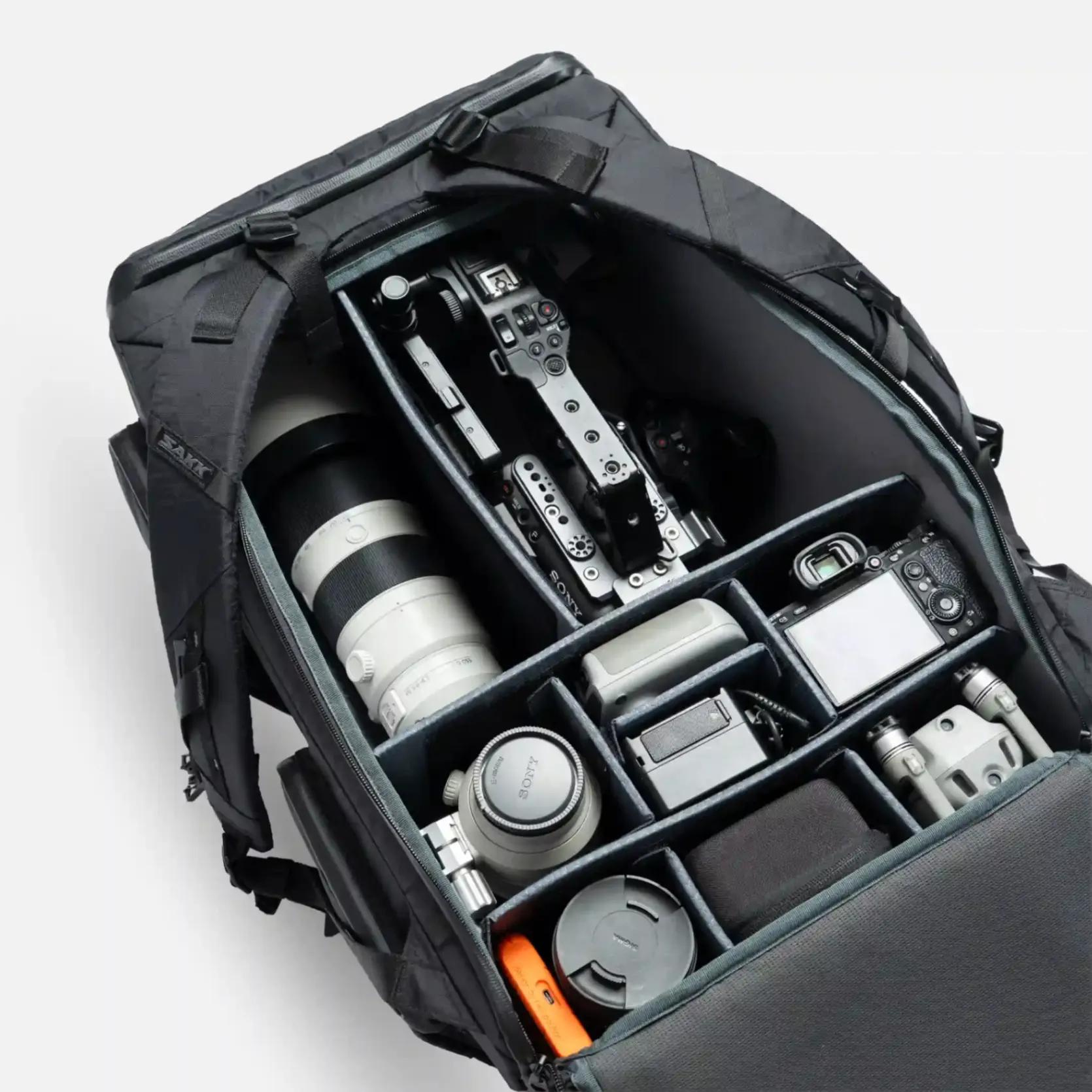
A camera bag that is set up well helps to keep your lenses safe, easy to reach, and helps stop them from getting scratched or broken. When you use padded dividers and special spaces inside the bag, each lens will sit in its own spot. The lenses will not hit or rub against other things while you carry the bag. Here is a simple way to look at how to sort your lenses:
-
Adjust dividers for a secure fit: Make sure each lens sits tight in its own spot. The lenses need to be kept still, so they do not move or get damaged over time goes by.
-
Arrange by size and weight: Put the heavier lenses, such as telephotos, at the bottom of the bag. The small or often-used ones should go on top, making it easy for you to grab them when you need to.
-
Use small pockets for accessories: Put lens caps, filters, and hoods in their own pockets or pouches. This keeps things safe from scratches and lets you get them fast.
-
Organize by lens type: Organize lenses by size and weight, placing heavier lenses at the bottom of the bag and frequently used lenses toward the top. Use padded dividers to keep lenses separated and prevent movement during transport.
Step 4: Store Lenses in a Cool, Dry Place Away from Sunlight
Proper storage at home is just as important as safe transport. Heat, humidity, and direct sunlight can harm your lenses over time.
High temperatures can affect the internal mechanisms, while moisture can lead to fungus growth and fogging, which reduces image quality and may permanently damage coatings.
Here is some tips for safe storage:
-
Choose the right spot: A closet, dry cabinet, or a camera storage area is good. Keep your lenses away from windows, heaters, and any wet basement.
-
Control humidity: If you are in a place with a lot of moisture, use silica gel packs or a dry cabinet for your lenses. This helps keep the moisture low.
-
Avoid extreme conditions: Do not put your lenses in a hot car or near heaters. Keep them out of places where the temperature goes up and down.
Storing your camera lenses in a cool, dry, and shaded place will keep them in great shape. Your lenses will always be ready the next time you need them. Taking care of how you store them is a good way to stop problems in the future and look after your investment.
Conclusion
Taking care of your camera lenses requires you to store and handle them the right way. Be sure to clean each lens before you put it away.
Use protective caps, pouches, or covers, so dust, scratches, and damage stay away. Put your camera lenses in padded compartments or bags that fit each one well. This will help keep them safe when you move them from one place to another. The best place for your camera lenses is somewhere cool and dry. Keep them out of direct sunlight and stop moisture from building up.
Check your lenses often for dirt or anything else that looks like a problem. No matter if you are just starting or have been taking pictures for years, looking after your gear helps it last longer and work better.
If you want reliable protection for your gear, consider using well-built camera bags like those from Sakk Gear. With the right storage habits and the right bag, you can focus on capturing great shots knowing your lenses are safe and ready whenever you need them.
Share:
What Is a Camera Saddle Bag and Why You Might Need One
How to Pack Camera Gear for Short Trips Without the Hassle