

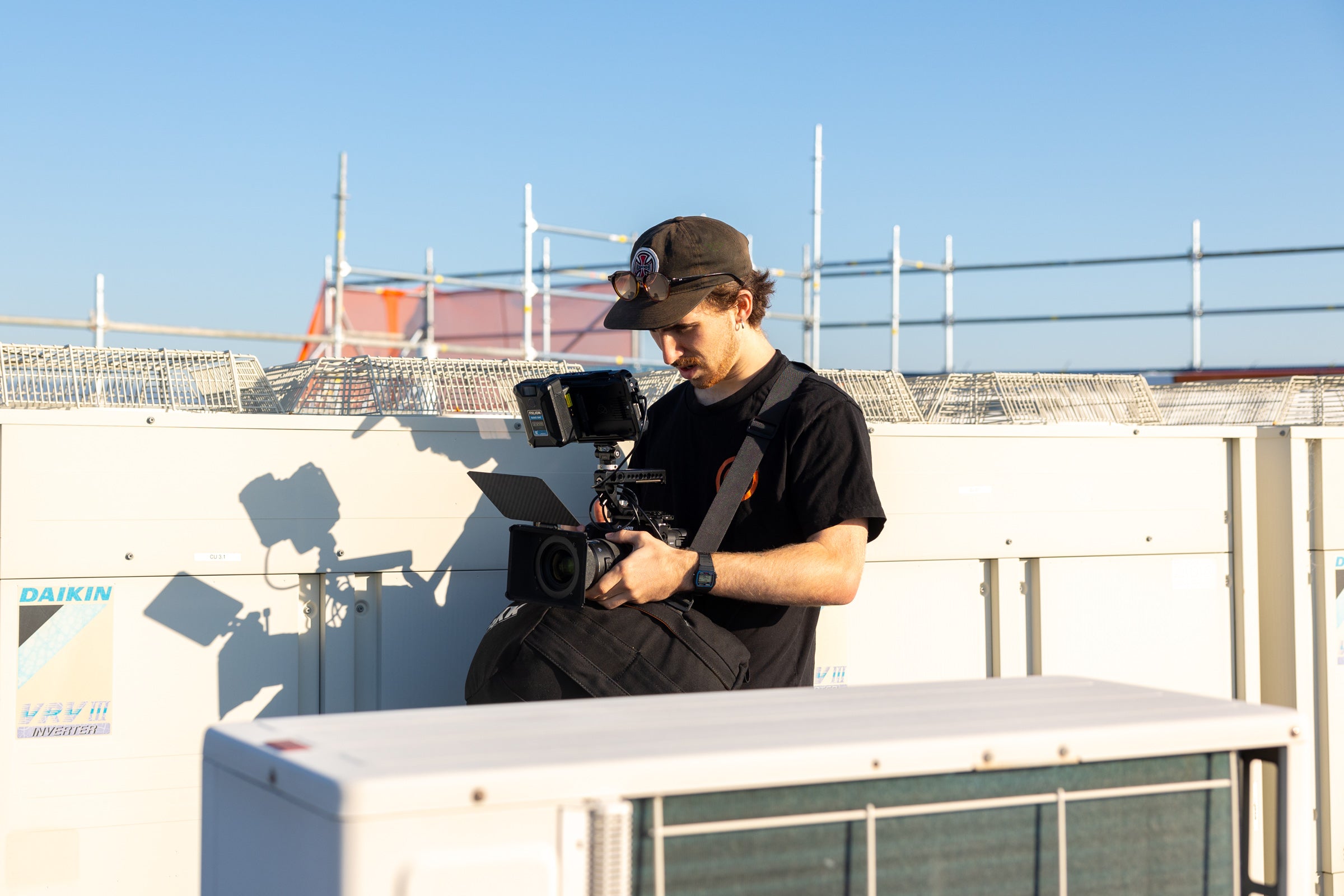
A Sakk can help reduce back pain for videographers by providing a stable and comfortable platform for their camera equipment, which minimizes the need to carry heavy gear for extended periods and reduces the strain on their backs. Here's how it works:
-
Weight Distribution: The Sakk is designed to evenly distribute the weight of the camera and other equipment across the videographer's body. It serves as a cushioned platform that rests on the videographer's shoulder and chest, effectively transferring the weight away from the arms and shoulders. This redistribution of weight helps prevent the strain that can lead to back and shoulder pain.
-
Reduced Muscle Fatigue: Videographers often have to hold and maneuver heavy camera equipment for extended periods, which can result in muscle fatigue and discomfort. The Sakk provides a comfortable and stable resting point for the camera, reducing the need for the videographer to continually support its weight. This, in turn, decreases the risk of muscle fatigue and the associated back pain.
-
Comfortable Shooting Positions: The versatility of the Sakk allows videographers to adopt more ergonomic shooting positions. They can mold the Sakk to fit their body and the shooting situation, allowing for more comfortable and sustainable shooting stances. When videographers are more comfortable during shoots, they are less likely to develop back pain.
-
Extended Shooting Sessions: By providing a stable and comfortable platform for the camera, the Sakk enables videographers to shoot for longer periods without discomfort. This can be particularly valuable during events or projects that require extended coverage, where a reduction in back pain can lead to improved productivity and better quality footage.
-
Quick Setup: Traditional camera stabilizers or rigs may require more time to set up and adjust. The Sakk offers a quick and hassle-free setup, allowing videographers to get started faster. Reducing the time spent on setup minimizes the duration of uncomfortable carrying and holding positions, further reducing the risk of back pain.
In summary, a Sakk is designed to enhance the comfort and stability of videographers while shooting. By redistributing the weight, reducing muscle fatigue, and providing ergonomic support, it can significantly reduce the strain on the videographer's back. This, in turn, allows videographers to shoot for longer periods without developing back pain, making it a valuable tool for those in the video production industry.
Share:
Why Every Videographer needs a Camera Saddle?
Top 3 Reasons Filmmakers Need a Camera Saddle