

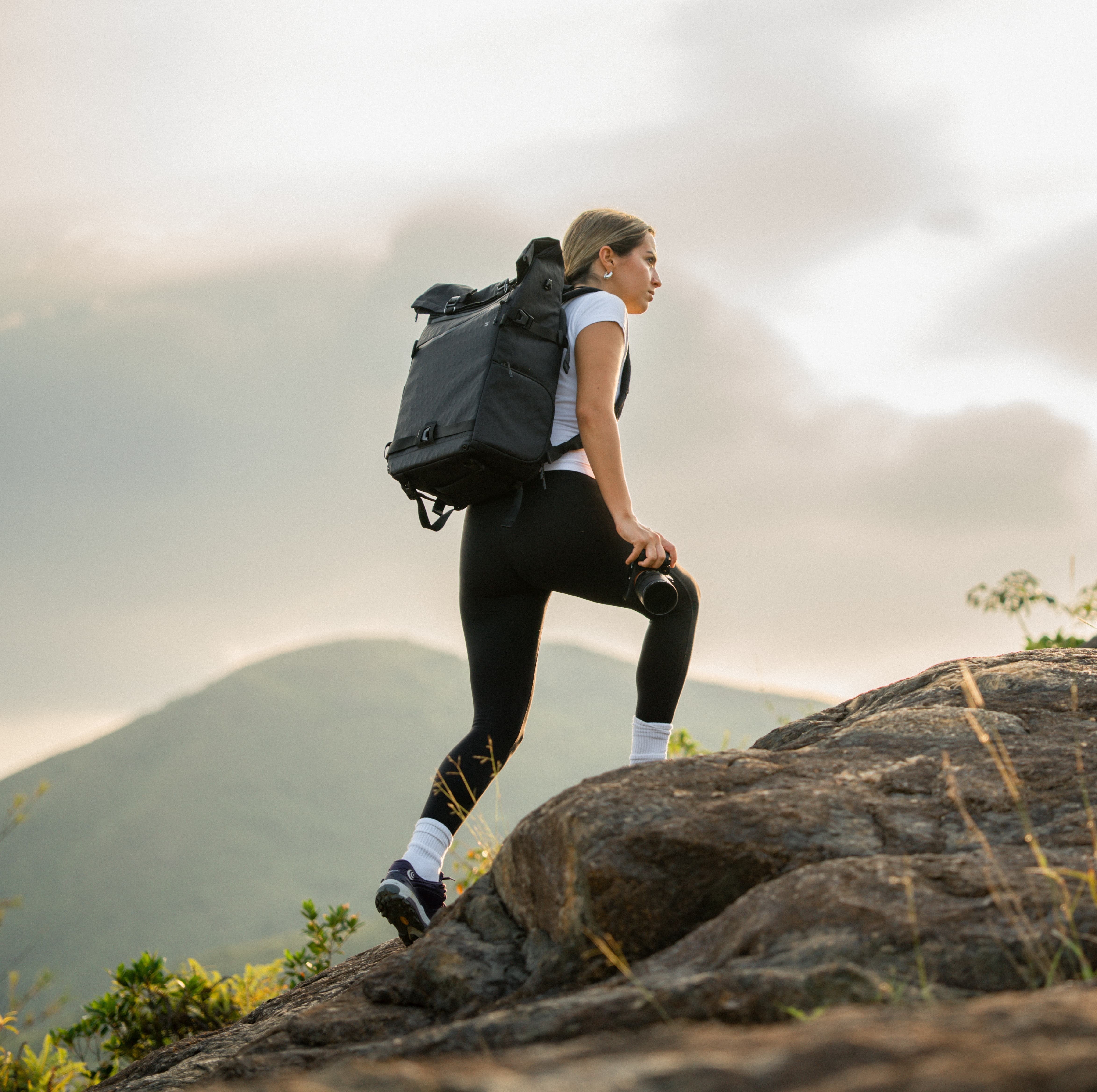
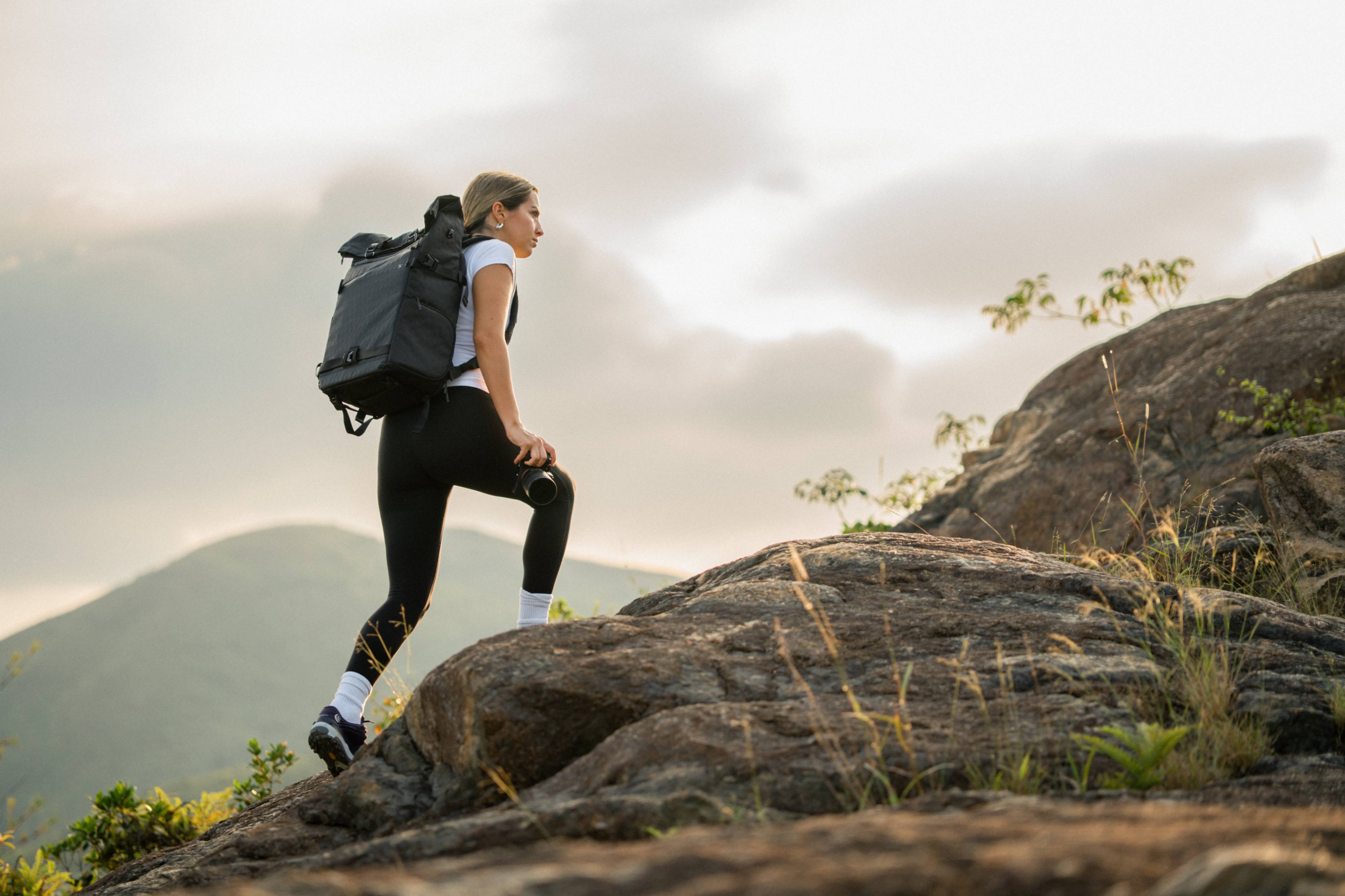
Traveling with expensive camera equipment shouldn't feel stressful. Whether you're flying with a mirrorless camera, carrying a cinema setup, or packing gear for your first photography trip, the right camera bag and packing method can protect your equipment from damage, theft, and weather.
In this guide, you'll learn exactly how to pack camera gear for air travel, choose the right carry-on camera backpack, and keep your equipment safe from departure to destination.
What You’ll Need to Get Started: Essential Packing Checklist
Before getting ready for your trip, create a simple packing list. Think about where you're going, what you'll be shooting, and which equipment you actually need. Packing intentionally helps keep your camera bag lighter, more organized, and easier to carry.
Camera and Lens Essentials
The best travel camera setup depends on your destination and the type of photography or filmmaking you plan to do.
-
-
For versatility: A zoom lens, like the 24-105mm, is a good choice for most uses.
-
For minimalism: One camera and just one or two lenses will work for most people.
-
For specific needs: A telephoto lens is a must-have if you want to shoot wildlife.
-
For vlogging: Get a compact camera that has a flip screen to help you while you work.
-
Other Camera Accessories for Travel
Your checklist should include more than your camera and lenses. Depending on your trip, consider bringing:
-
-
Spare batteries and charger
-
Memory cards
-
Lens cleaning cloth
-
Rocket blower
-
Lens caps
-
Camera strap
-
Portable hard drive or other backup solution
-
Universal power adapter
-
Necessary cables
-
Small accessories and tools
-
Keep valuable electronics and important accessories with you rather than putting them into checked luggage.
What Is the Best Camera Bag for Travel?
Your camera bag is your first line of protection when traveling with camera equipment. A travel backpack works well when you're hiking or carrying your gear throughout the day. A sling bag makes it easier to access equipment quickly when you're moving around a city. A hard case offers the most protection, but it can also be larger and heavier.
The best choice often combines good protection with flexibility, allowing you to use the same bag in different situations.
Modular systems make packing easier. With options like SAKK Pack Cube and V2, or other camera bags from the SAKK Gear collection, you can turn your travel backpack into a professional-ready setup without needing multiple bags.
How Beginners Should Pack Camera Gear for Travel
Once you've decided what equipment to bring, it's time to organize your camera bag. The goal is to create a setup that keeps your gear protected while making important equipment easy to access.
Step 1: Put Heavy Gear Close to Your Back
When using a camera backpack, place heavier equipment closer to your back. This helps distribute the load and can make the bag more comfortable to carry.
Keep smaller accessories such as batteries, cables, memory cards, and cleaning supplies in separate compartments or pouches.
Step 2: Organize and Protect Individual Items
Camera bodies and lenses should have their own padded spaces whenever possible.
Use padded dividers or compartments to prevent equipment from moving around inside the bag. Adjustable dividers are particularly useful because you can create spaces that match the size of your individual camera bodies and lenses.
Make sure lens caps are attached and avoid placing loose equipment together where it can knock against other gear.
Step 3: Leave Some Space for Easy Access
Don't pack your camera bag so tightly that you have to remove everything to reach one item.
Think about which equipment you'll need most often and keep it accessible. This is particularly useful when you're moving through airports, shooting outdoors, or changing locations throughout the day.
How to Pack Camera Gear in a Carry-On
When flying, valuable camera equipment is best kept in your carry-on whenever possible.
A camera backpack can make this easier because your camera body, lenses, batteries, laptop, and accessories can remain together and within your control.
Before flying:
- Check your airline's carry-on size and weight restrictions.
- Weigh your camera bag before leaving home.
- Keep valuable camera equipment in your carry-on.
- Protect spare batteries from short circuits.
- Keep your camera bag organized so equipment can be accessed during security screening.
- Check the airline's current rules for tripods and other larger accessories.
Airline requirements can differ, so always check the specific rules for your flight before traveling.
Can You Bring a Camera Backpack on a Plane?
A camera backpack can generally be used as carry-on luggage when it meets the airline's size and weight requirements. However, there is no universal camera-bag size that every airline accepts, so check your airline's current baggage policy before you travel.
Should You Put Camera Gear in Checked Luggage?
Whenever possible, keep your valuable camera equipment with you rather than placing it in checked luggage.
Checked bags can be exposed to rough handling, impact, loss, or delays. Keeping your camera and lenses in your carry-on gives you greater control over how your equipment is handled during the journey.
Lithium batteries also have specific air-travel requirements. The FAA advises passengers to carry spare lithium batteries in carry-on baggage rather than checked baggage. Always check the current regulations that apply to your airline and destination.
What to Do With Your Camera Gear After Traveling
Taking care of your camera equipment shouldn't stop when you arrive home. Cleaning, inspecting, and storing your gear properly after every trip can help it last longer and keep it ready for your next adventure.
Cleaning and Inspecting Equipment
After every trip, make time to clean your camera gear well. Use a rocket blower to get dust off the sensor and lens contacts. You can use a microfiber cloth with some lens-cleaning solution to wipe away any fingerprints or marks from your lenses. Remember to also wipe the camera body. Look for dirt or grime in small spaces.
Check each piece of equipment for any damage, like scratches on lenses, malfunctioning buttons, or worn parts. Don’t forget to check your camera bag for rips or any broken zippers. It is a good habit to keep your camera gear working well for a long time.
Smart Storage and Long-Term Maintenance
How you keep your camera gear when you are not traveling is just as important as how you pack it. Store your gear in a cool and dry place. Do not leave your camera in place where the temperature and moisture can be up and down in these places.
A good spot can be a cabinet made just for storage or a shelf in a closet. You can use the same packing cubes or padded inserts from your travel bag to keep your things neat and without dust at home. To look after your gear for a long time, fully charge your batteries first. Then use some power. Do this every few months, and your batteries will stay healthy. If you store your camera gear the right way, it will be in good shape and ready to use when you need it.
Traveling with camera gear is exciting, but keeping your equipment safe and organized is an important part of the experience. Pack carefully, choose the right camera bag, and stay aware of your surroundings throughout your trip. With your camera gear safe and handy, you will be ready to take great photos and keep those moments forever. Have a fun trip!
Share:
Your Perfect RED Komodo Camera Bag